



63 products
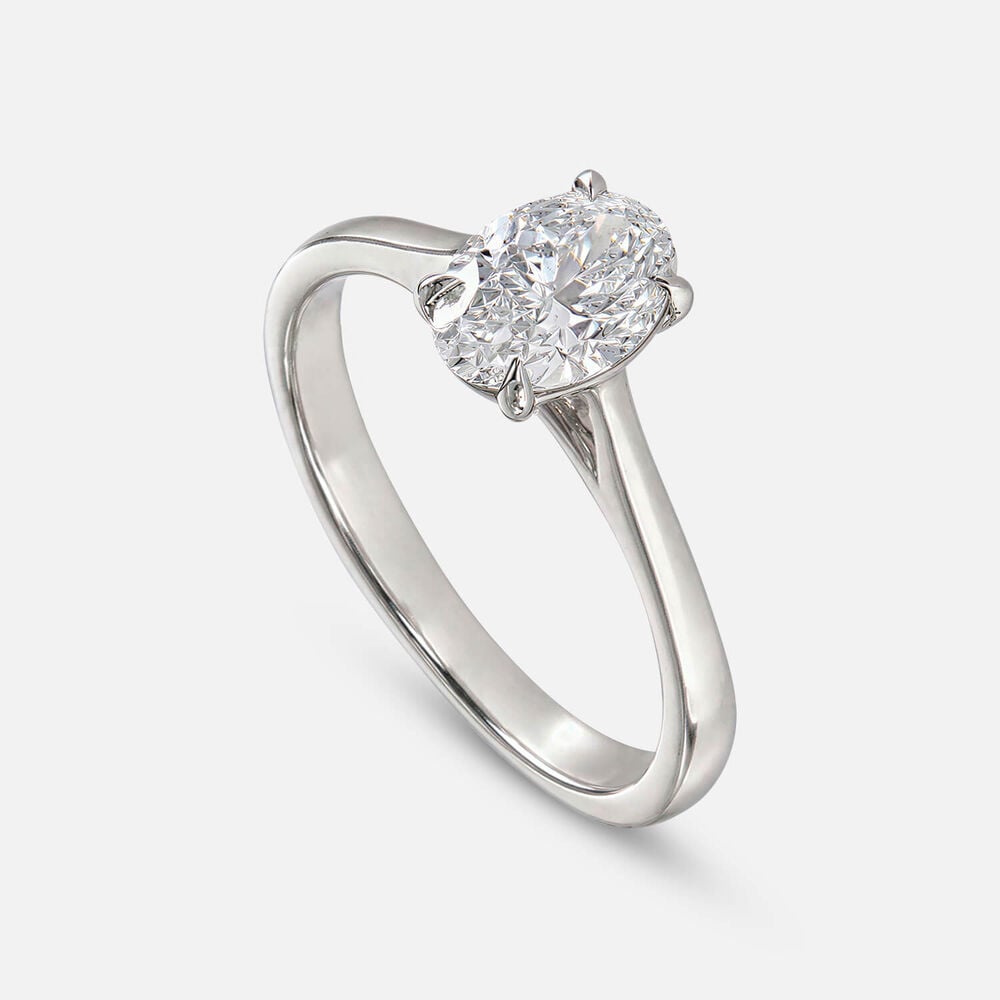
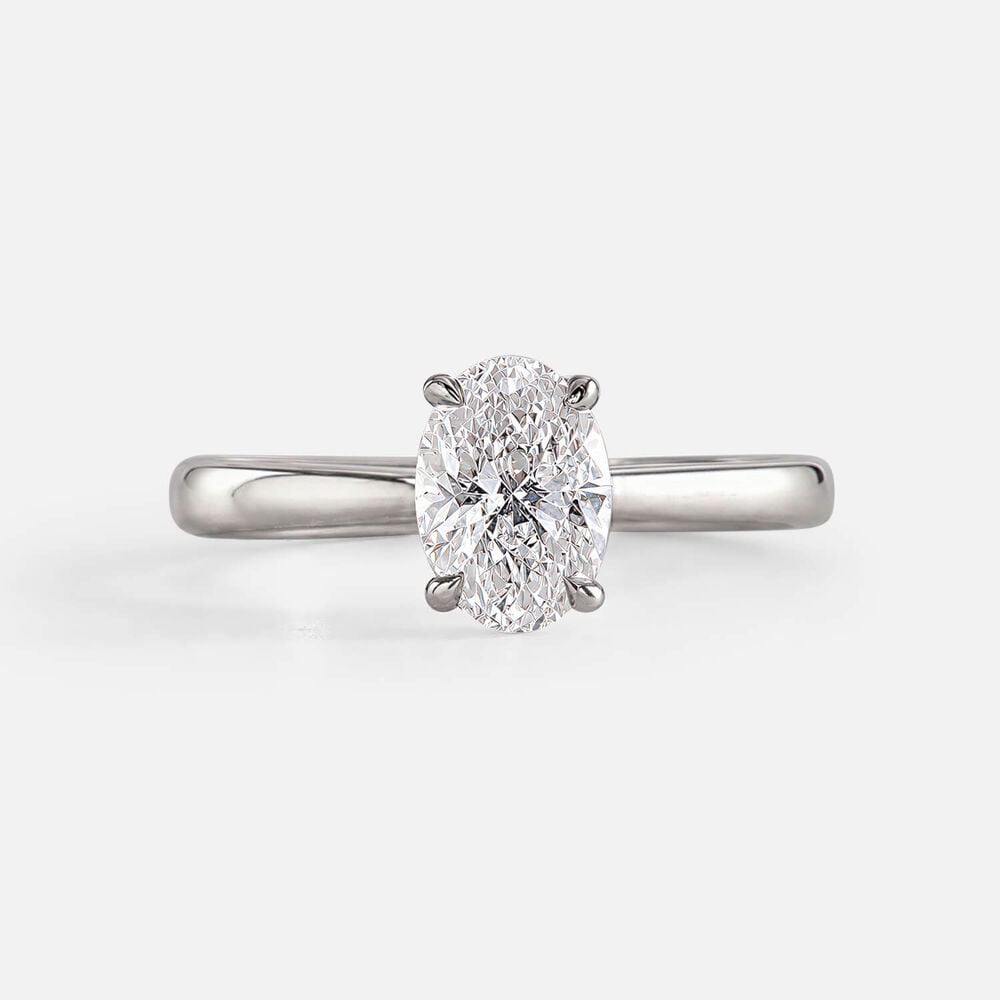
50% OFF
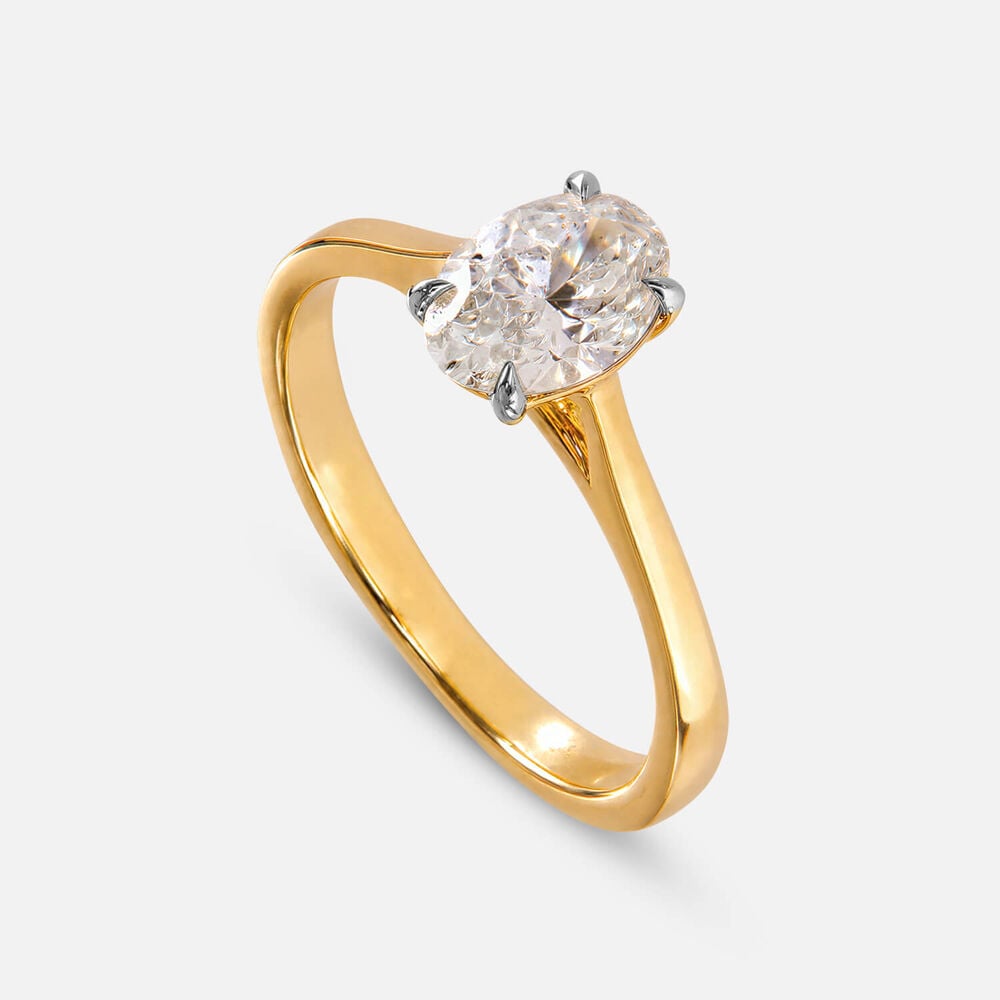
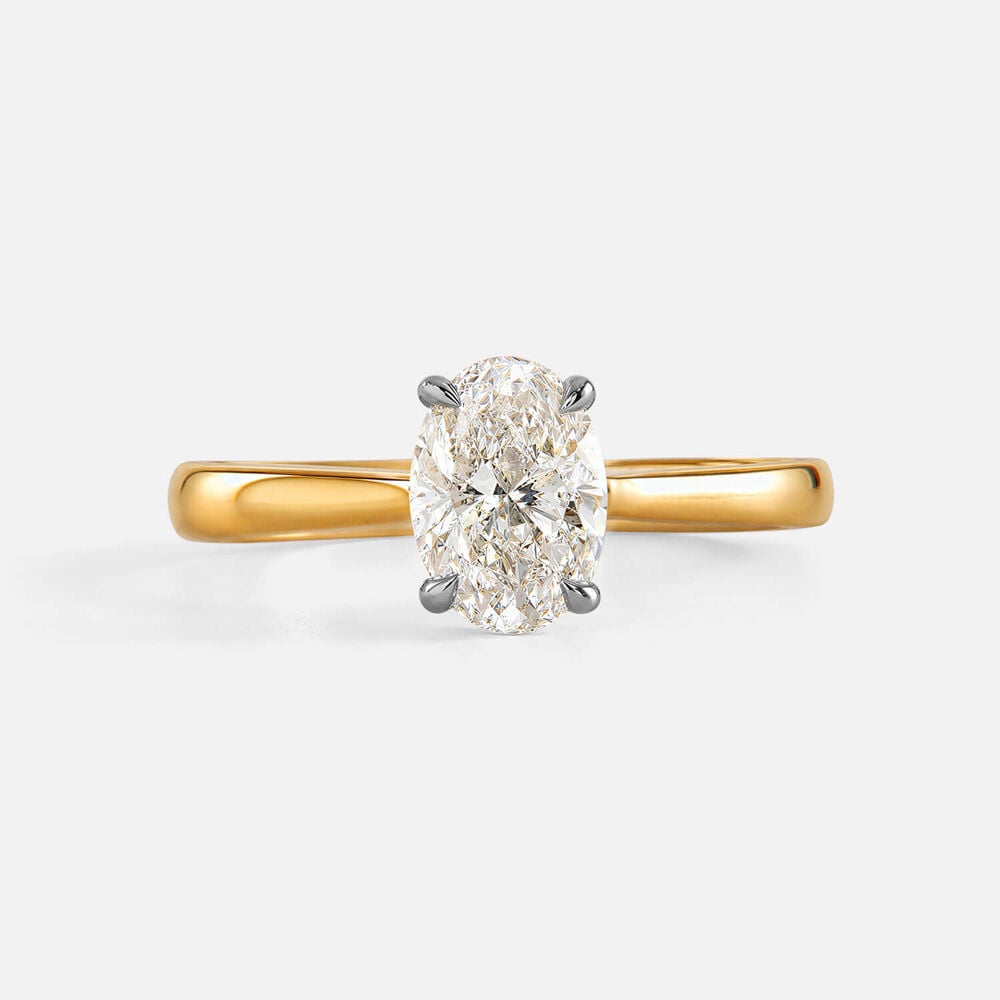
50% OFF


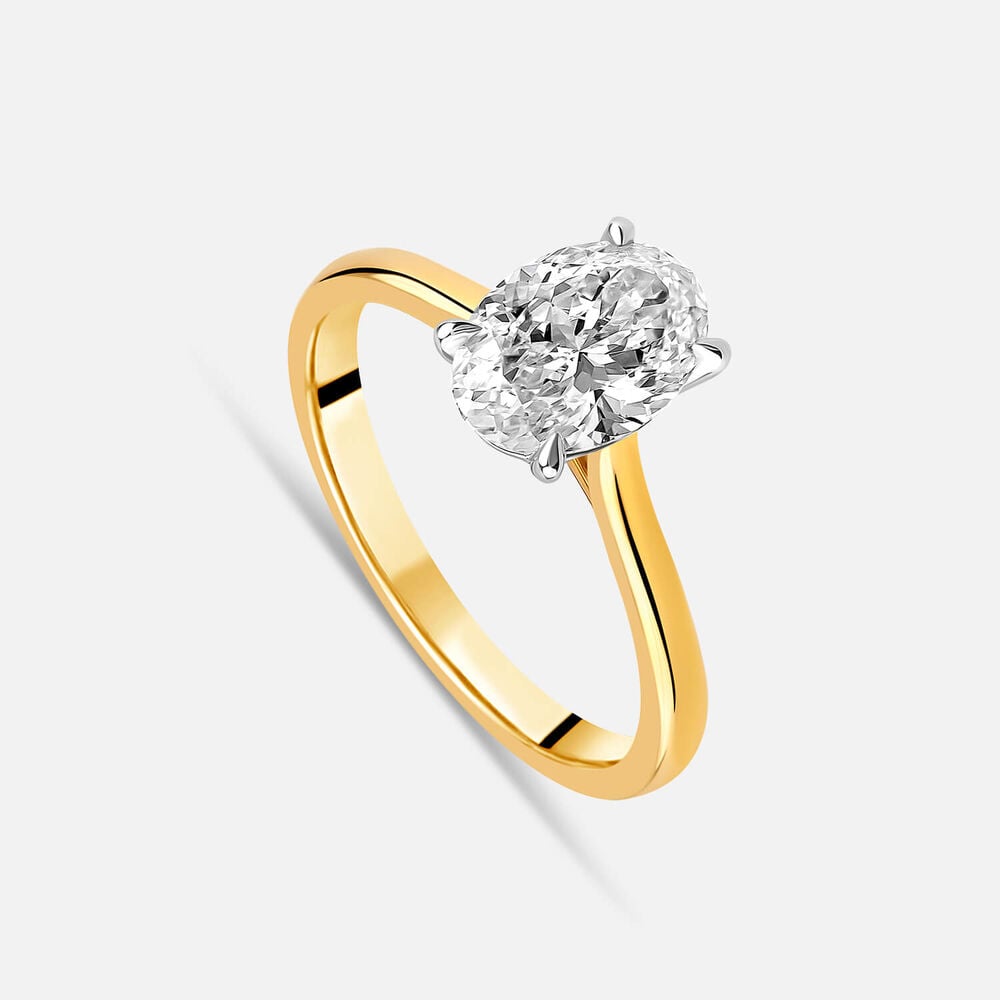
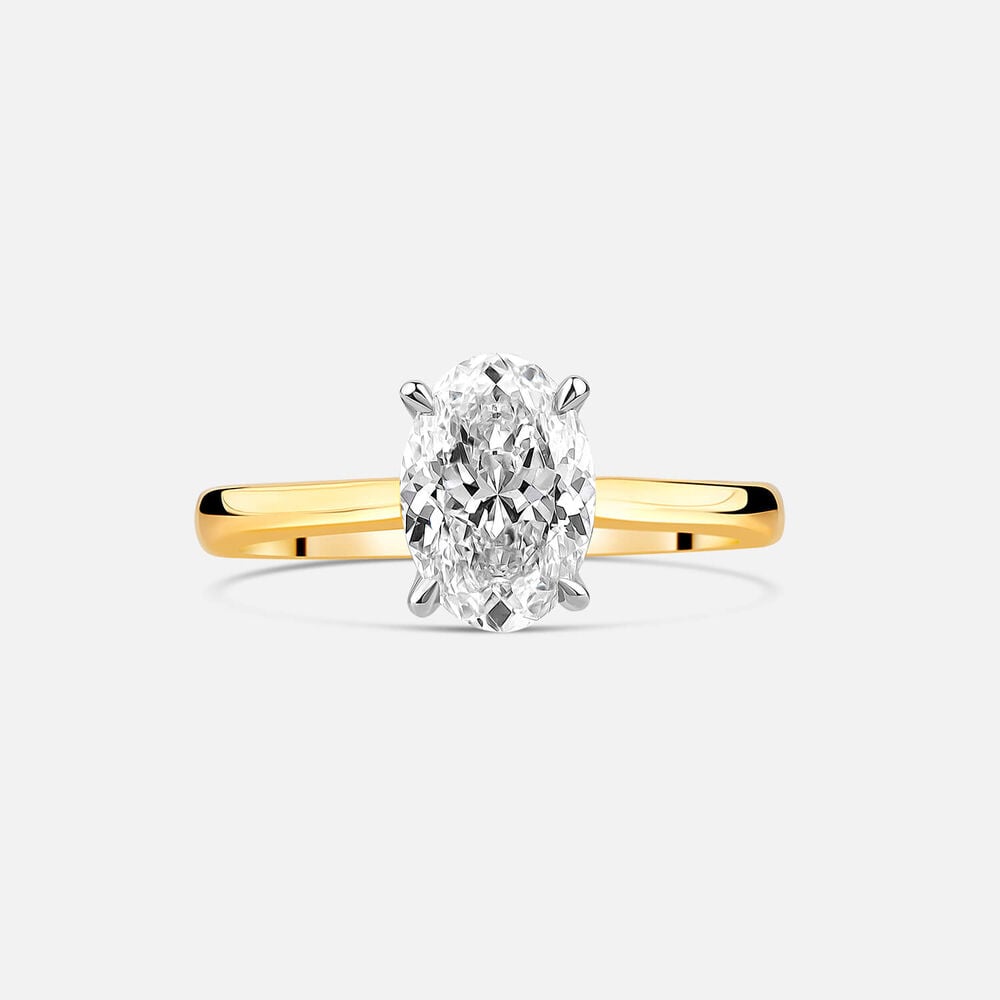
EXCLUSIVE CUT
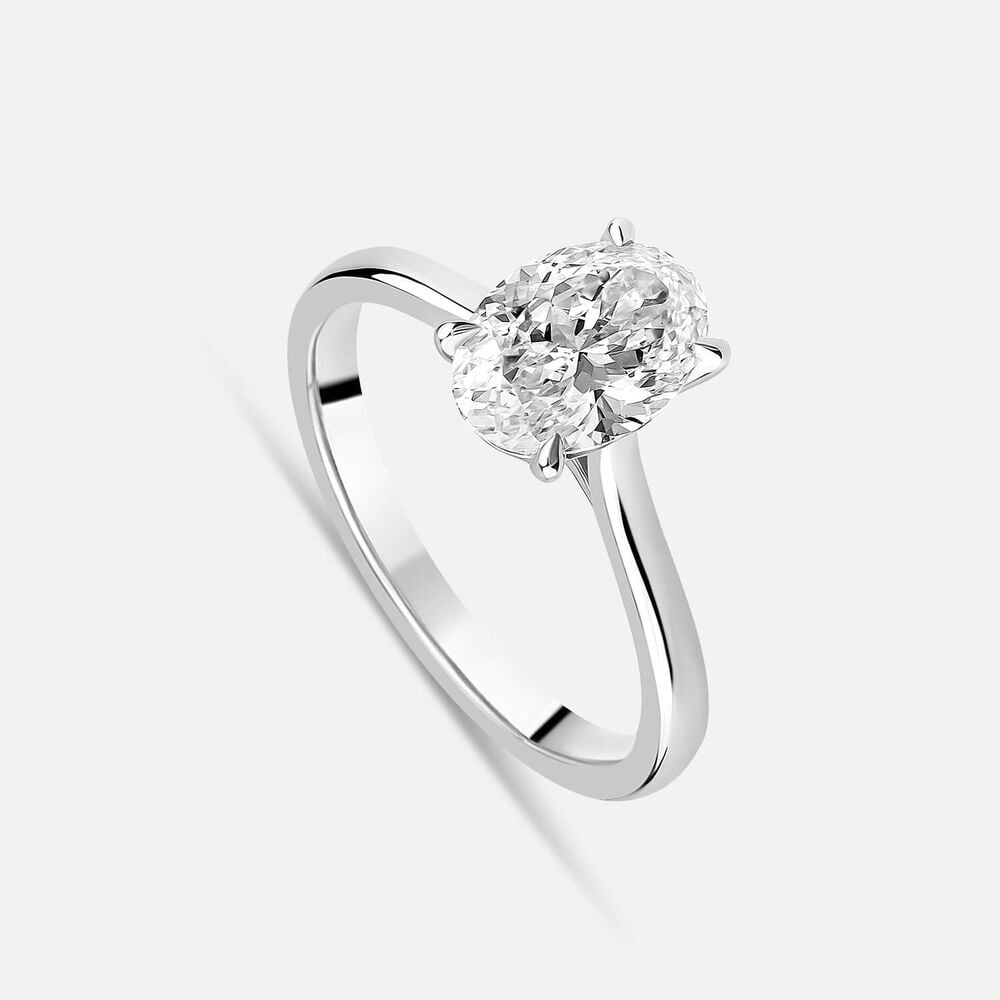
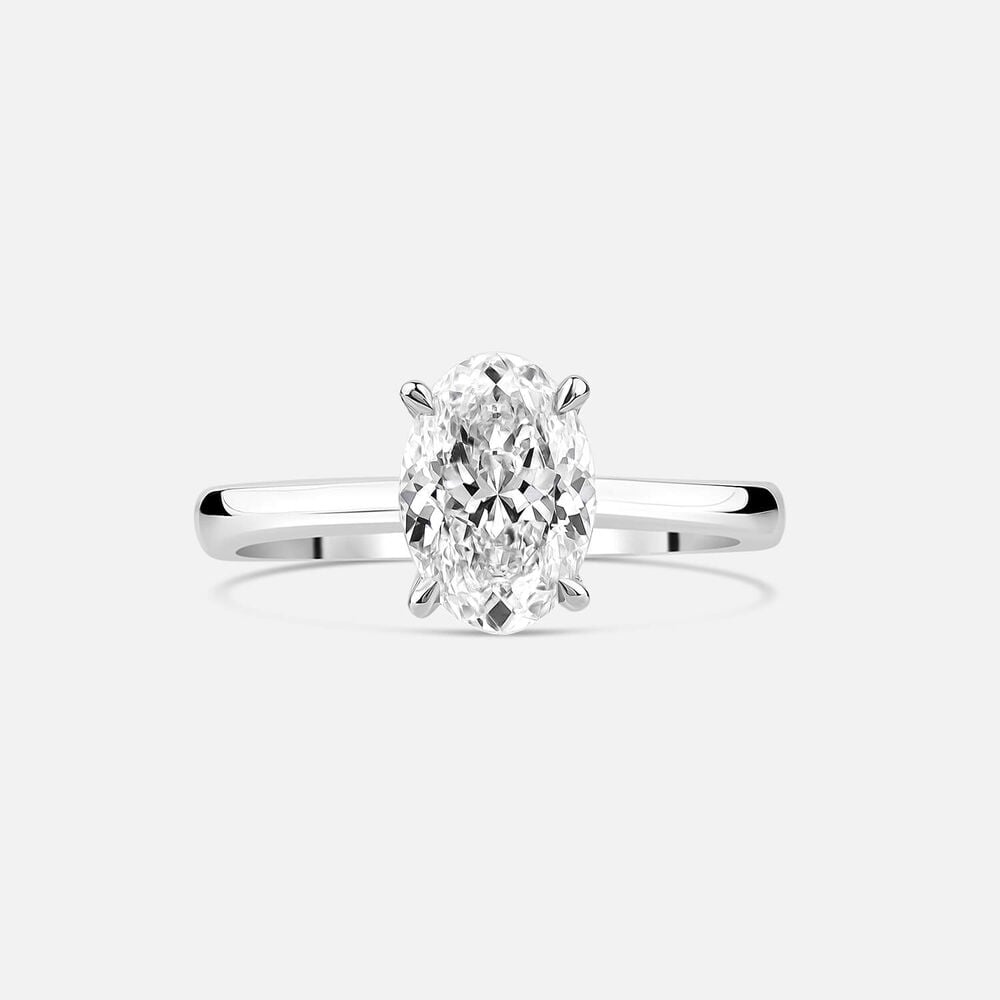
EXCLUSIVE CUT


Extra 20% Off
33% OFF
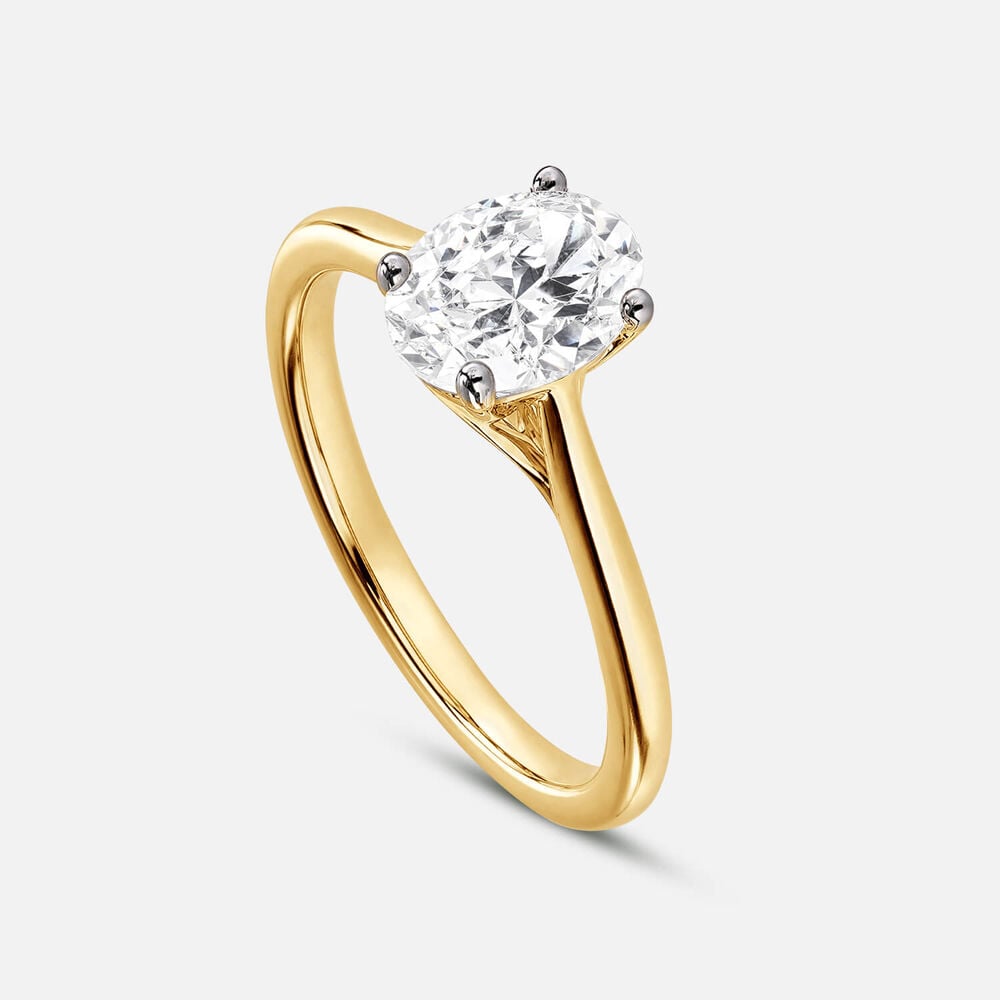
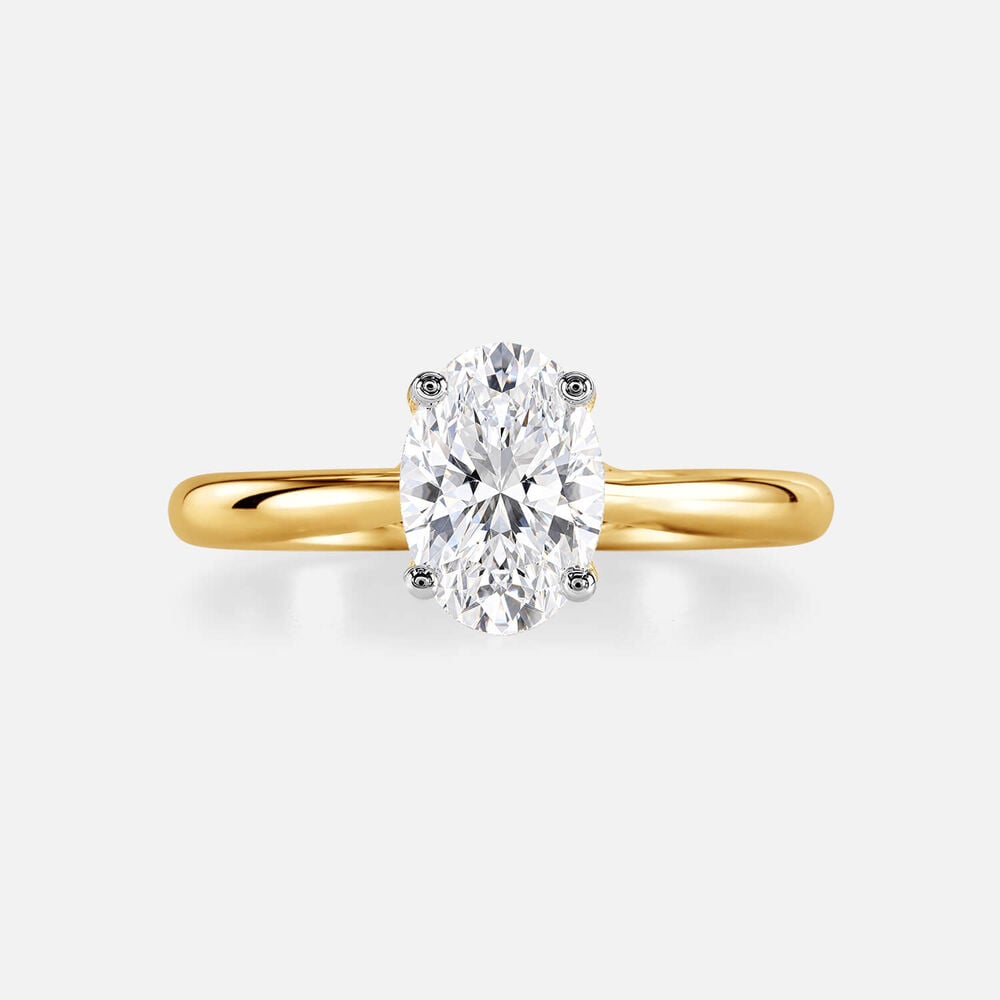
The Orchid Setting
Price reduced from
£3,250.00
to
£2,178.00
£1,742.40


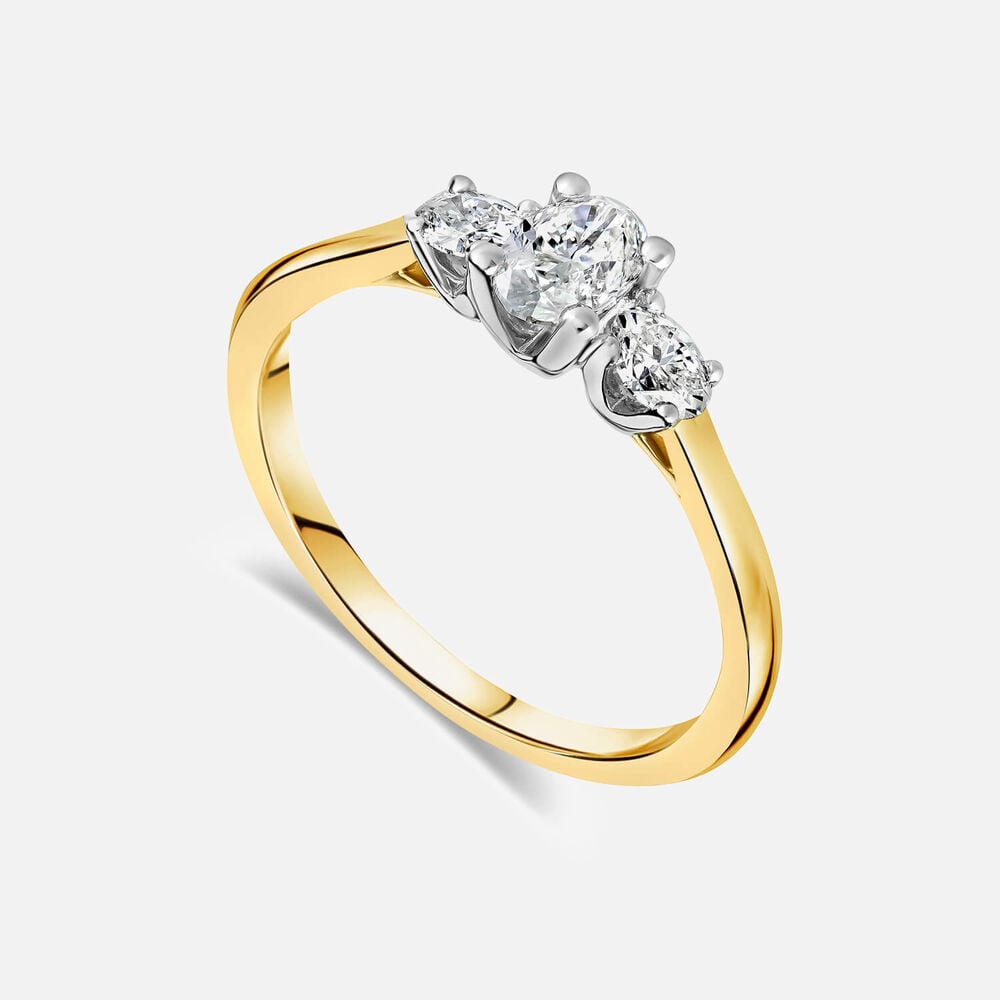
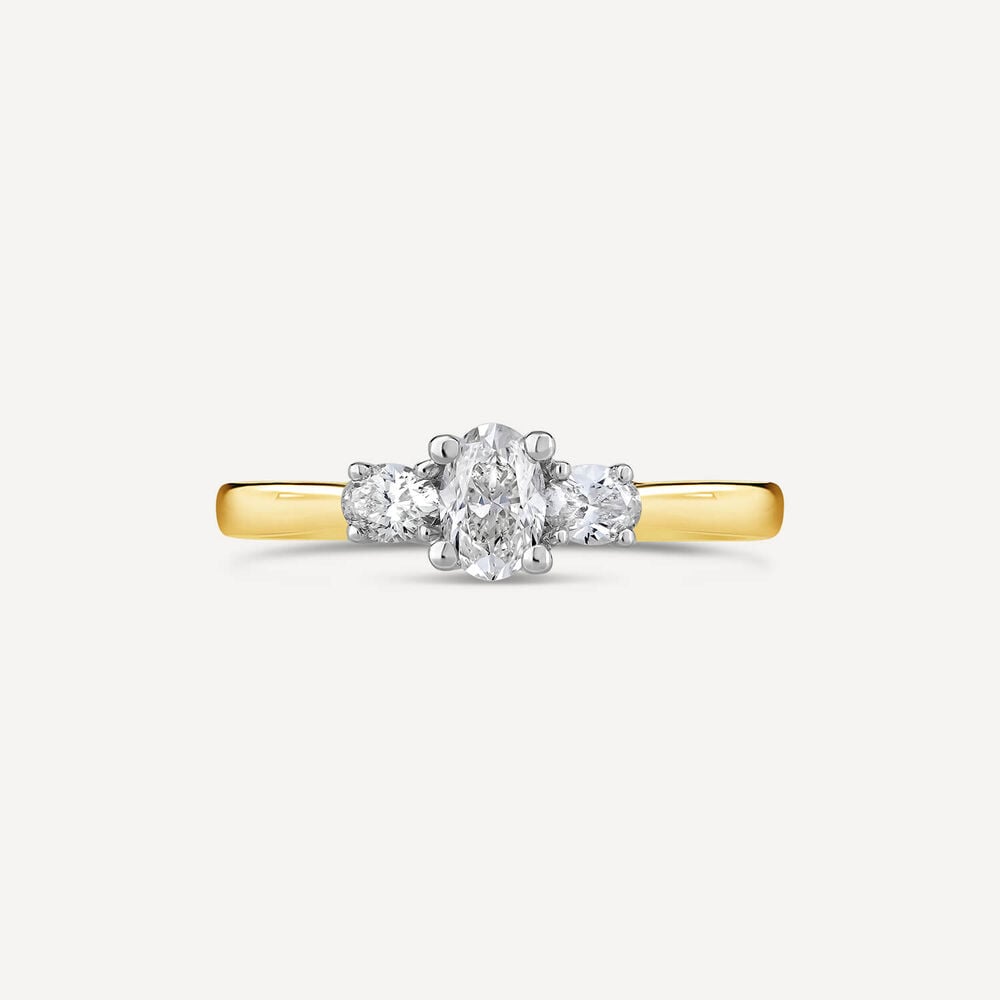
Extra 20% Off
33% OFF
Price reduced from
£3,499.00
to
£2,350.00
£1,880.00


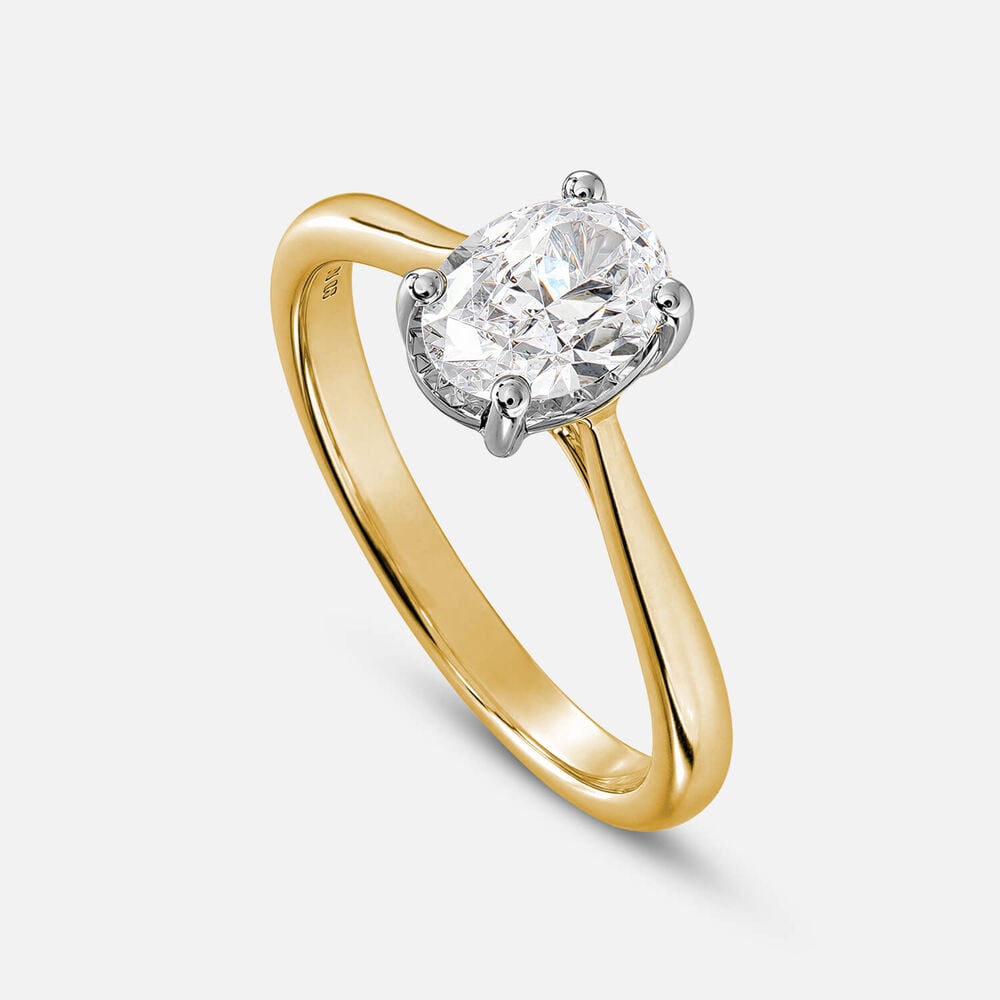
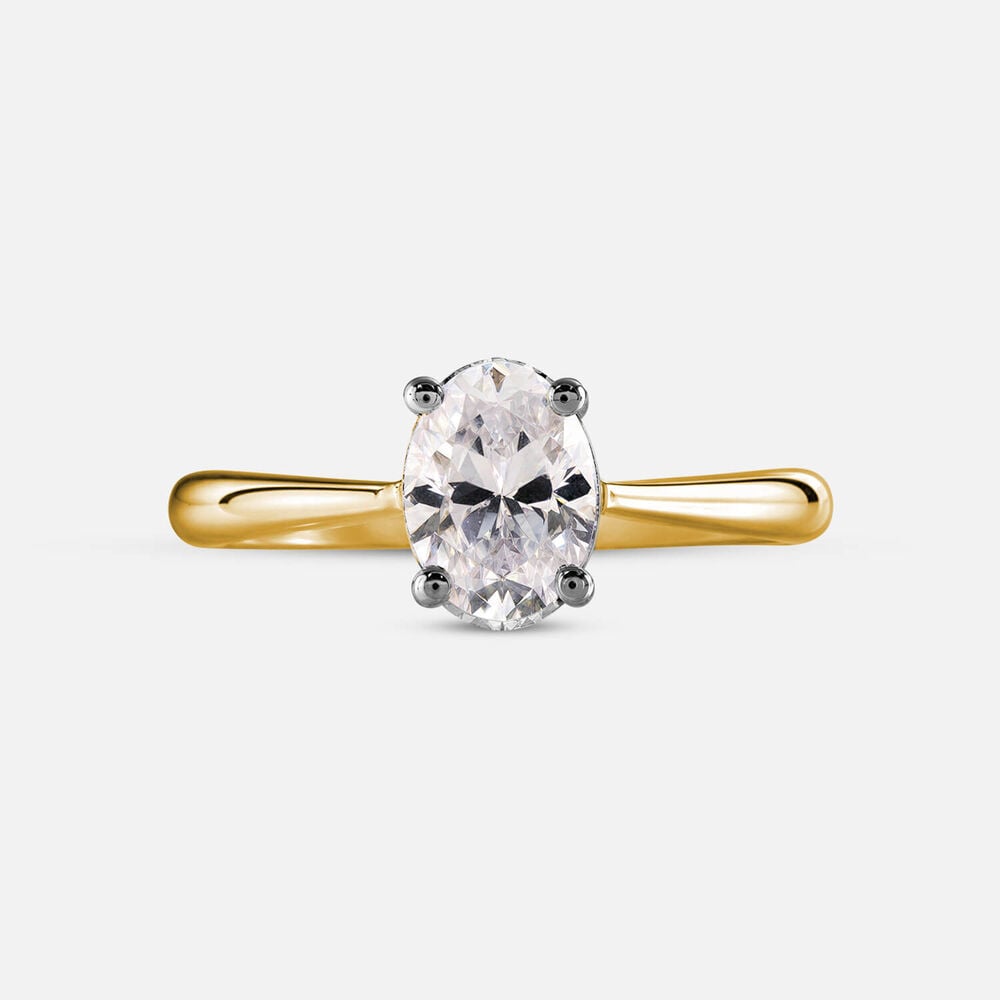
NEW IN


NEW IN


OVAL ENGAGEMENT RINGS FAQs
Explore oval diamond proportions, understand the bow tie effect and find a setting that suits you.
An oval can look bigger than a round diamond of the same carat weight because its length gives it more reach along the finger. Compare both stones face-up and check their dimensions in millimetres.
It’s a dark area across the middle of the diamond that can resemble a bow tie. Its visibility varies between stones and with the lighting. Tilt the diamond gently to see how much the shadow changes as the stone moves.
A claw-set solitaire leaves the oval outline easy to see. A halo follows the curve and adds a border of smaller diamonds. For more detail across the finger, try an oval centre stone with two side diamonds.
Choose an oval if you prefer a shape that extends along the finger. A round brilliant engagement ring gives you a symmetrical, circular outline. Try both in similar settings so you can compare the shape on your hand.
Try comparing ratios around 1.30 and 1.50. An oval closer to 1.30 will look fuller and one closer to 1.50 will look more elongated. The ratio describes the outline, so assess sparkle and the bow tie separately.

Explore more
Collections & Guides
Discover our curated collections of luxury watches and fine jewellery, or read tips and advice in our buying guides.